
Asbestos removal, Adelaide Licensed removal,independent clearance.

We scope the job, line up removal under the class of licence the material needs, and book the independent clearance. Once the area is cleared, the follow-up clean goes in, and every step is recorded.

4.9 from 59 Google reviewsWe reply the same business day

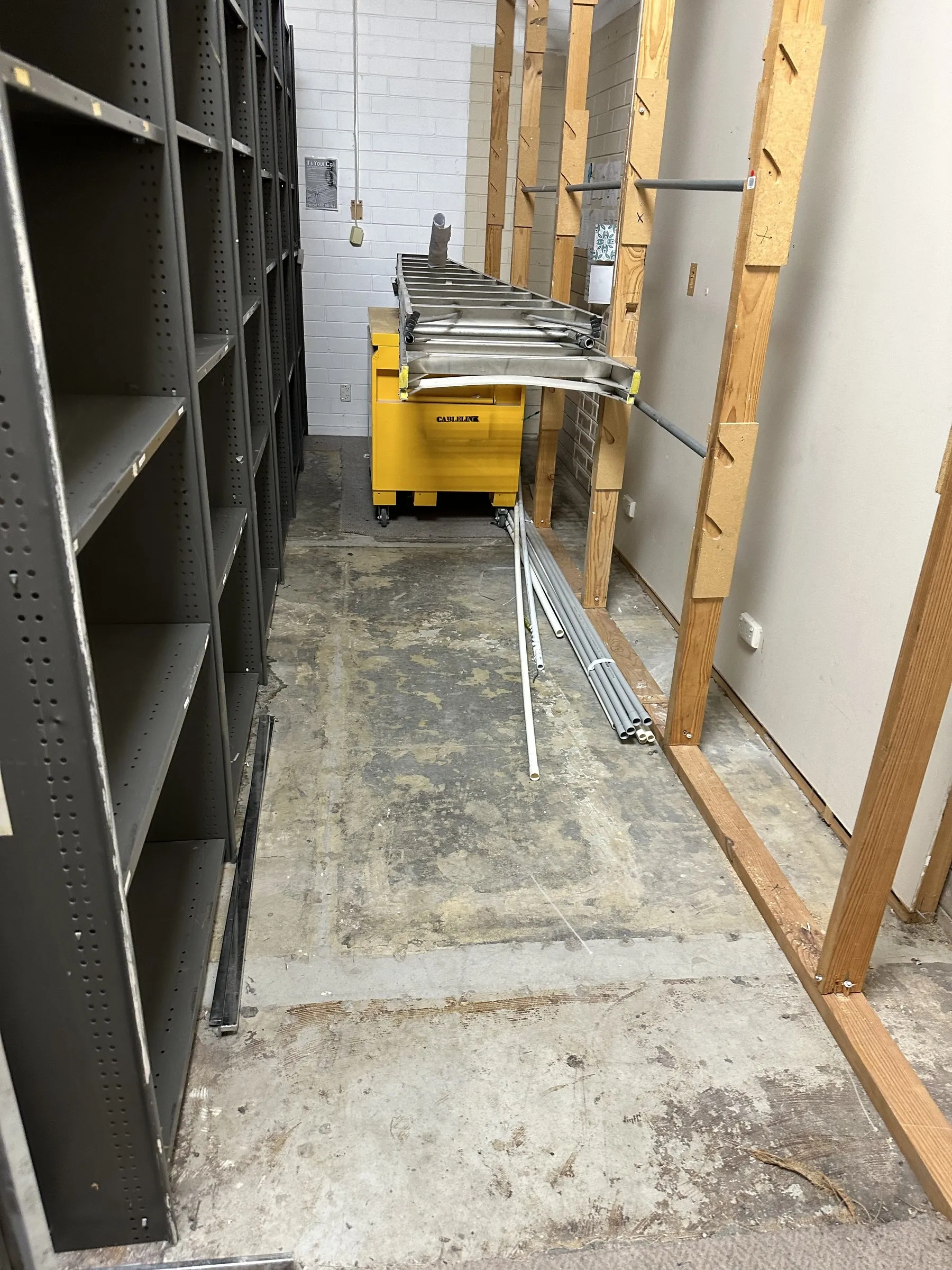
Back-of-house storeroom with steel shelving and a dusty floor
Removal
By a SafeWork SA licensed removalist
Licence
Class A for friable, A or B for non-friable
Clearance
Independent of the removal, every time
Proof
Clearance and visit record kept together

The scope

What an asbestos job includes. In order.

Nothing is disturbed before the scope is written. It names the material, the area, the licence class, who clears it and when the clean goes in, so every step can be checked.

Every asbestos job

  • Asbestos register and any survey read first
  • Written scope: material, area, licence class and clearance
  • Removal by a removalist holding the right SafeWork SA licence
  • Air monitoring by an independent licensed assessor where required
  • Clearance inspection by someone independent of the removal
  • Waste wrapped, labelled and taken to an EPA-licensed facility
  • Follow-up clean once the clearance is issued

Who does what

  • Friable asbestos, any amountClass A licence
  • Non-friable asbestos over 10 m²Class A or Class B licence
  • Non-friable, 10 m² or lessNo licence, still done safely
  • Clearance after Class A workIndependent licensed asbestos assessor
  • Clearance after Class B workIndependent competent person or assessor

How we do it

The removal is licensed. The clean comes after.

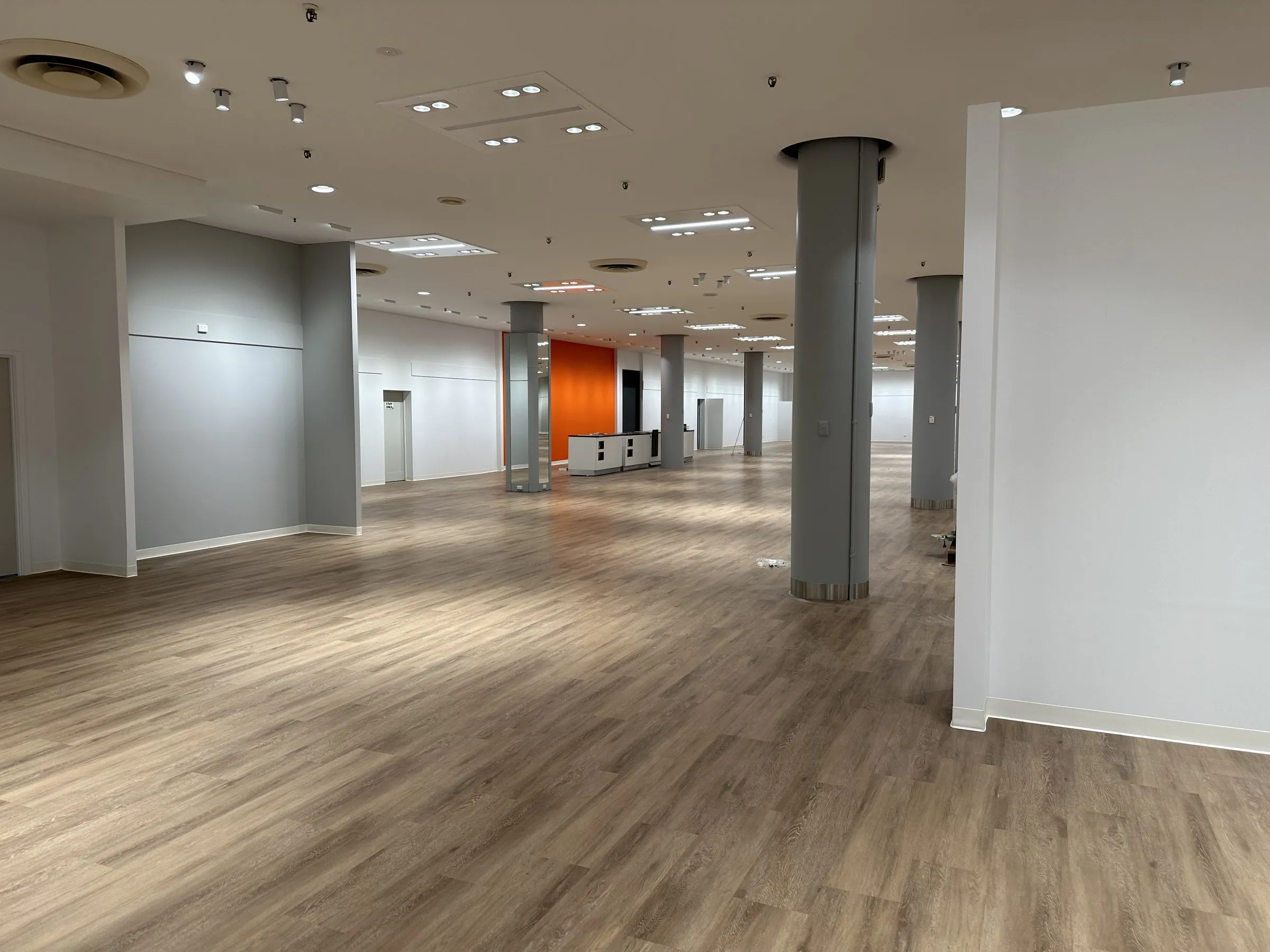
Large empty fit-out floor plate with pillars after the final clean

Before work starts

The register comes first.

Older workplace buildings should have an asbestos register, and we read it, plus any survey, before scoping anything. If a material hasn't been identified, it's sampled and tested by a competent person before anyone decides how it comes out.
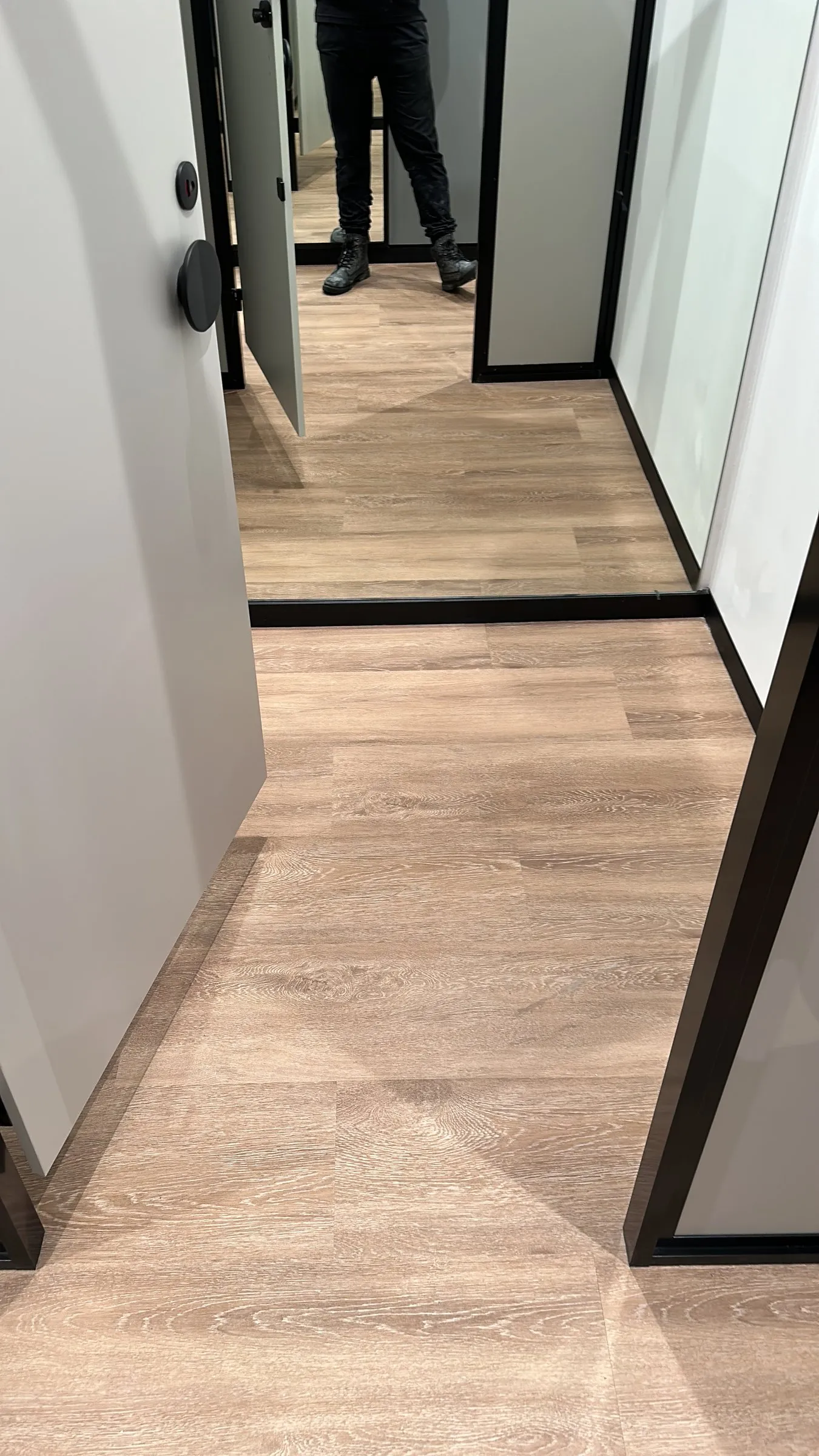
Office corridor with a timber-look floor

Removal

The right licence for the material.

Friable asbestos, like old pipe lagging or sprayed insulation, can only be removed under a Class A licence. Non-friable material such as fibro sheeting or vinyl floor tiles, over 10 m², needs a Class A or Class B licence. The removalist holds that licence, and the scope names it.

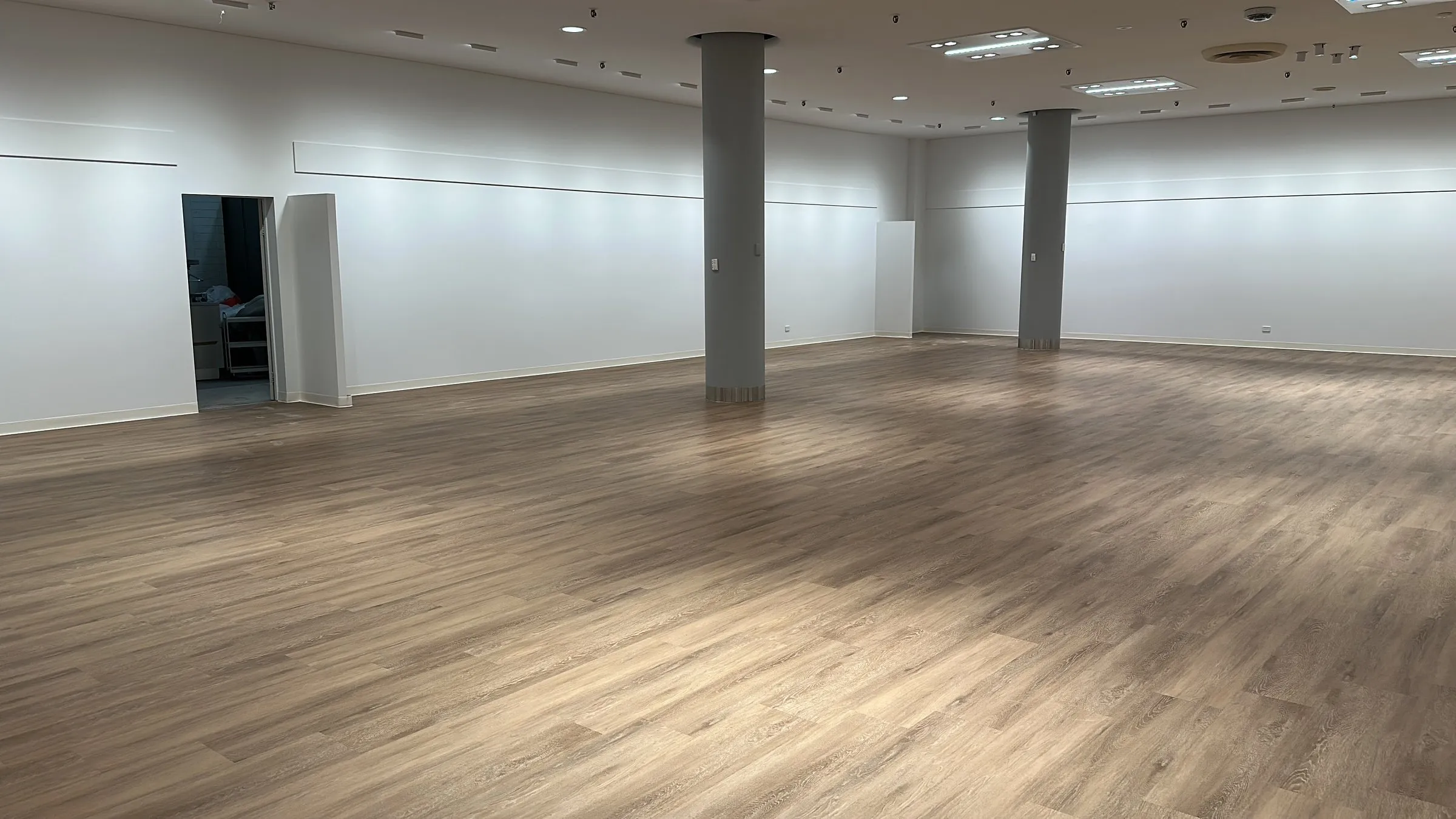
Empty new fit-out with a timber-look floor, ready for handover

Clearance, then the clean

Cleared by someone independent.

After Class A removal, an independent licensed asbestos assessor inspects the area and issues the clearance certificate. After Class B removal, an independent competent person or a licensed assessor does it. Only then does the follow-up clean start, with photos of each area in the visit record.

Every visit, on the record.

See a visit record
  • In and out

    Time-stamped on arrival and when the visit closes.

  • Ticked

    Each area marked done against the scope you signed off.

  • Photographed

    The areas that matter, finished. Faults flagged with a photo.

Questions

Asbestos removal: questions.

Who does the actual removal?

A removalist holding the SafeWork SA licence the material needs. JC scopes and coordinates the job, books the independent clearance and does the follow-up clean. The licence holder and the licence class are named in the scope before work starts.

What's the difference between friable and non-friable?

Friable asbestos can be crumbled to dust by hand when it's dry, like old pipe lagging, sprayed insulation or the backing on some vinyl sheet flooring. Non-friable asbestos is bound into the material, like fibro sheeting, roofing and vinyl floor tiles. Friable material always needs a Class A licence.

Who issues the clearance certificate?

Not the removalist. After Class A work, an independent licensed asbestos assessor carries out the clearance inspection and issues the certificate. After Class B work, it's an independent competent person or a licensed assessor. Independent means they had no part in the removal and don't work for the business that did it.

Does a small amount of fibro need a licence?

In South Australia, removing 10 m² or less of non-friable asbestos doesn't need a licence, but it still has to be done safely, following SafeWork SA's code of practice. Friable asbestos needs a Class A licence whatever the amount. The scope says which applies to your job.

What if suspect material turns up during a clean?

Work stops in that area, the material is left alone and the site contact is told straight away. The find goes in the visit record with a photo. From there it's sampled and identified before anyone decides how it's handled.

Can you clean the area after removal?

Yes, once the clearance is issued. The follow-up clean is its own line in the scope: dust off ledges and fittings, floors by surface type, and washrooms or kitchens if they were in the work area. Each area is photographed for the record.

Send us the register. We'll scope it from there.

The asbestos register, the area and any survey or test results are enough to start. Then a written scope naming the licence class, the clearance and the clean.

Add details (optional)
Best time for the walk-through

We reply the same business day. Your details are used to answer this enquiry and measure our ads, never sold. Privacy

CallBook a walk-through