
Structural drying, Adelaide Dry on the surfaceisn't dry inside.

Timber framing, plasterboard, concrete slabs, subfloors and wall cavities hold water long after the floor looks dry. Readings are taken at fixed points each visit, and the equipment stays until the material reads dry.

4.9 from 59 Google reviewsWe reply the same business day

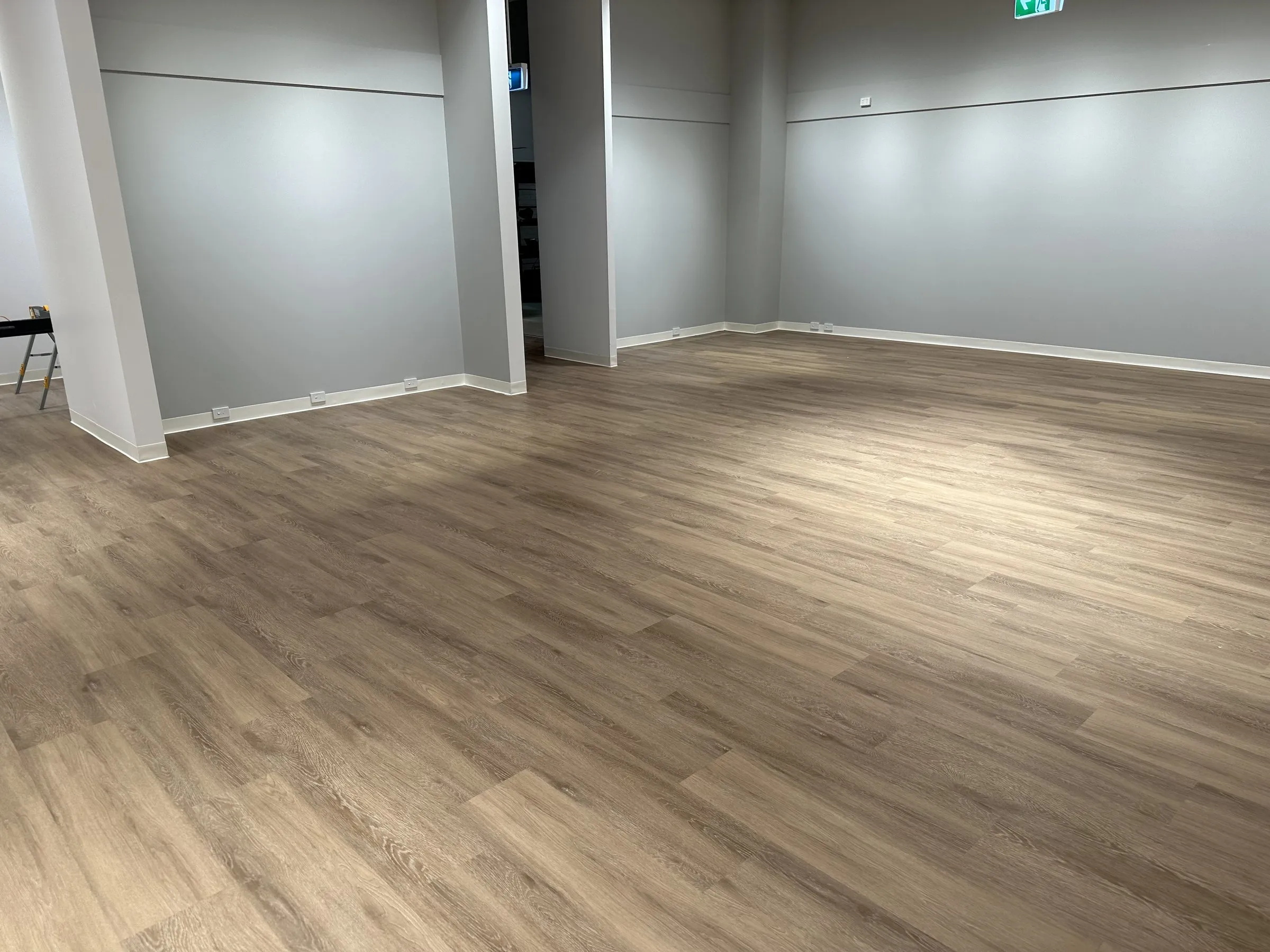
Large empty fit-out floor plate with pillars after the final clean
Materials
Plasterboard, framing, slabs, timber floors
Measured
Moisture readings at fixed points
IICRC
IICRC Certified Firm, WRT-certified technicians
Proof
A drying log in the visit record

The scope

What structural drying includes. Until it reads dry.

The scope maps every wet area and its reading points. Each visit adds readings to the log, so you can see the drying progress, not just the end.

Every drying job

  • Standing water extracted before drying starts
  • Moisture mapped in walls, floors and ceilings
  • Dry reference readings from unaffected material
  • Air movers and dehumidifiers placed for the space
  • Cavities and subfloors ventilated where they hold water
  • Equipment only on circuits that are safe to use
  • Final readings logged before equipment comes out

During the dry

  • Readings at every pointEach visit
  • Equipment moved as areas dryAs readings fall
  • Clean after dryingOnce every point reads dry

How we do it

Drying is a log. Not a feeling.

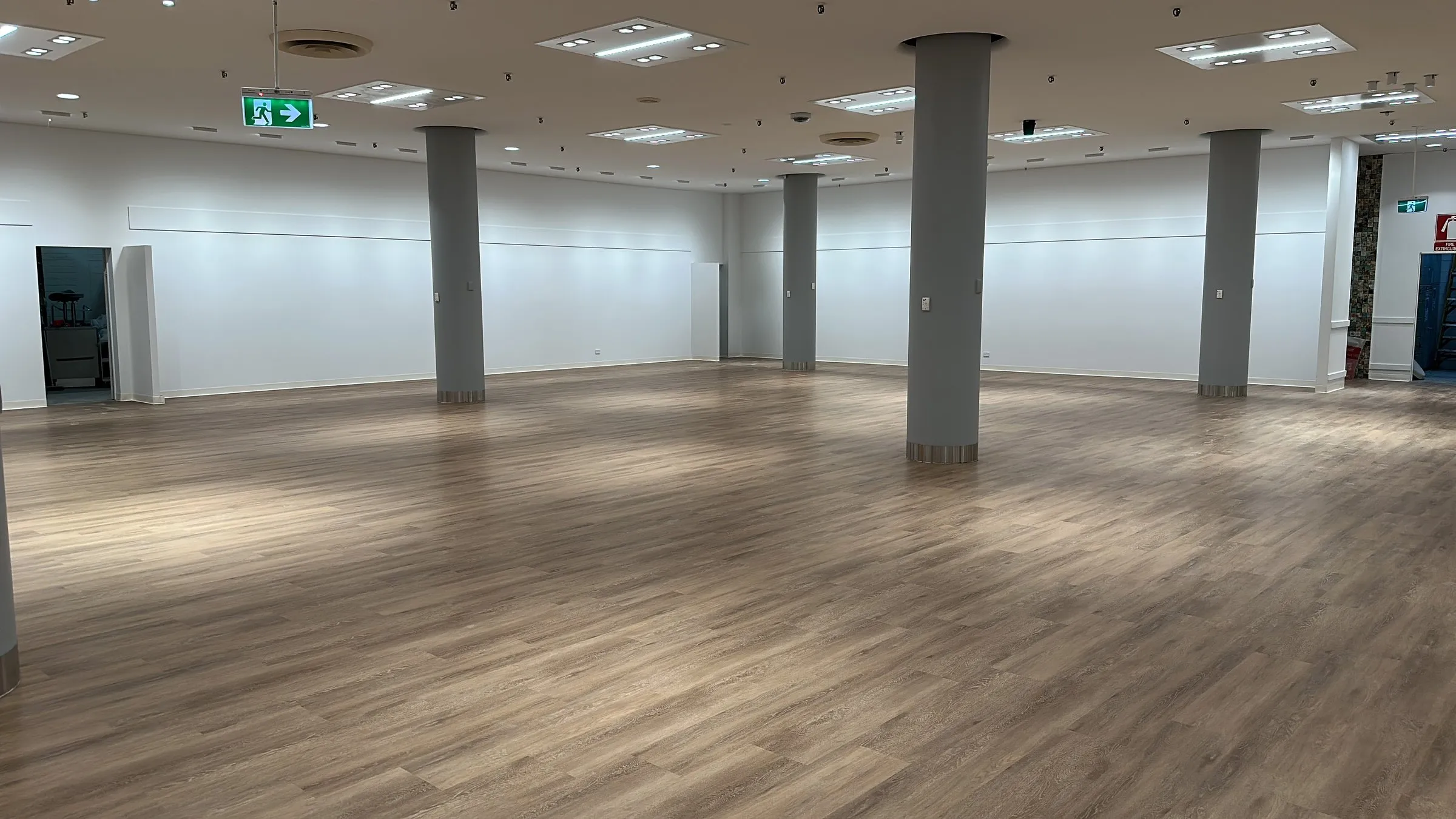
Large empty hall with a timber-look floor and grey pillars

Mapping

Find where the water went.

Water travels under skirting, along slabs and into cavities. Meters show where it has gone, and each wet area is marked on a plan with its reading points. The same points are read every visit, so the log compares like with like.
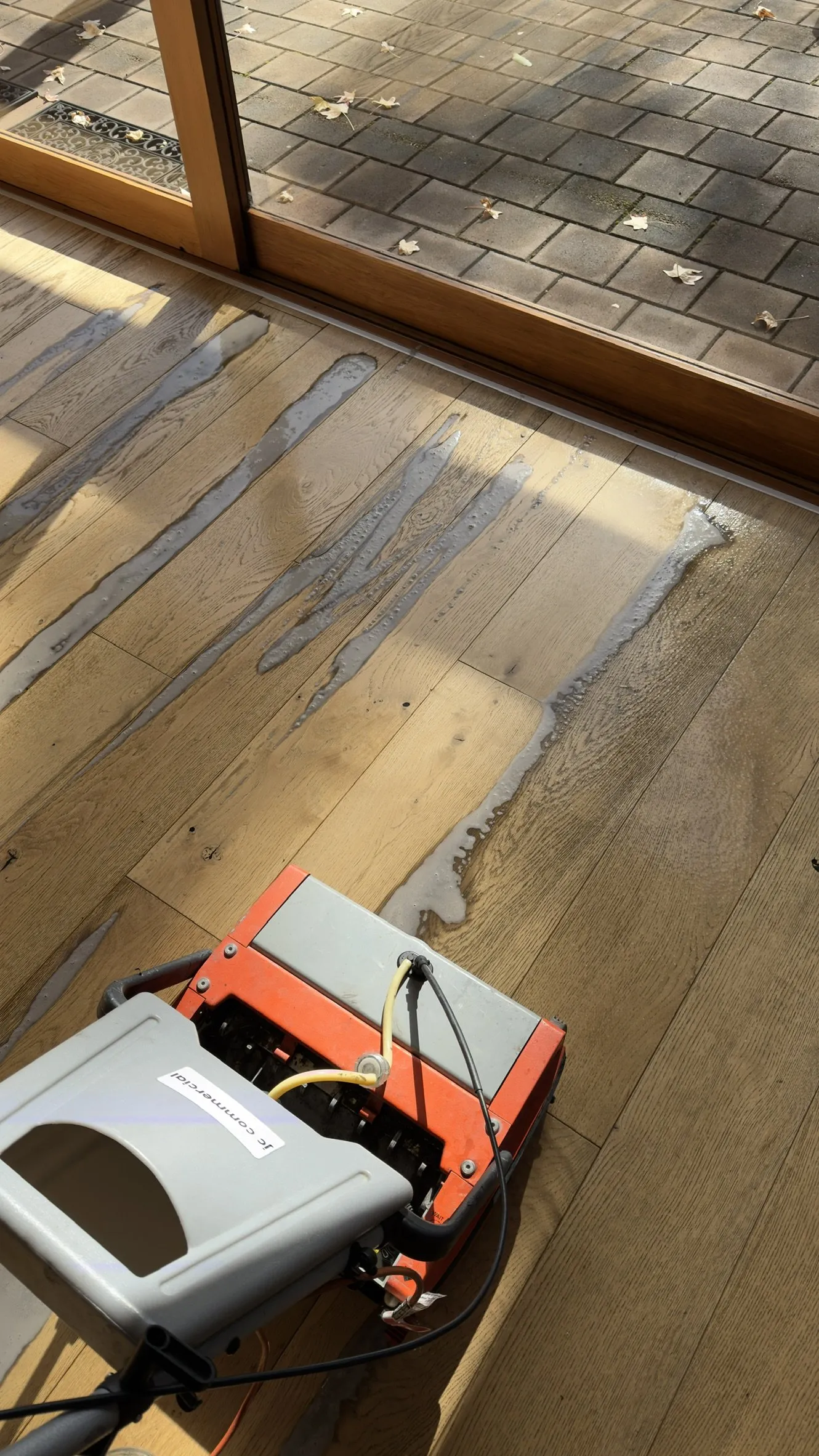
Orange floor machine on timber boards

Dense materials

Slabs and timber take longer.

Plasterboard gives water up quickly. Hardwood floors and concrete slabs give it up slowly, and drying them too hard can cup boards or crack finishes. The drying is set for the material, and timber floors are watched for movement as they come back.

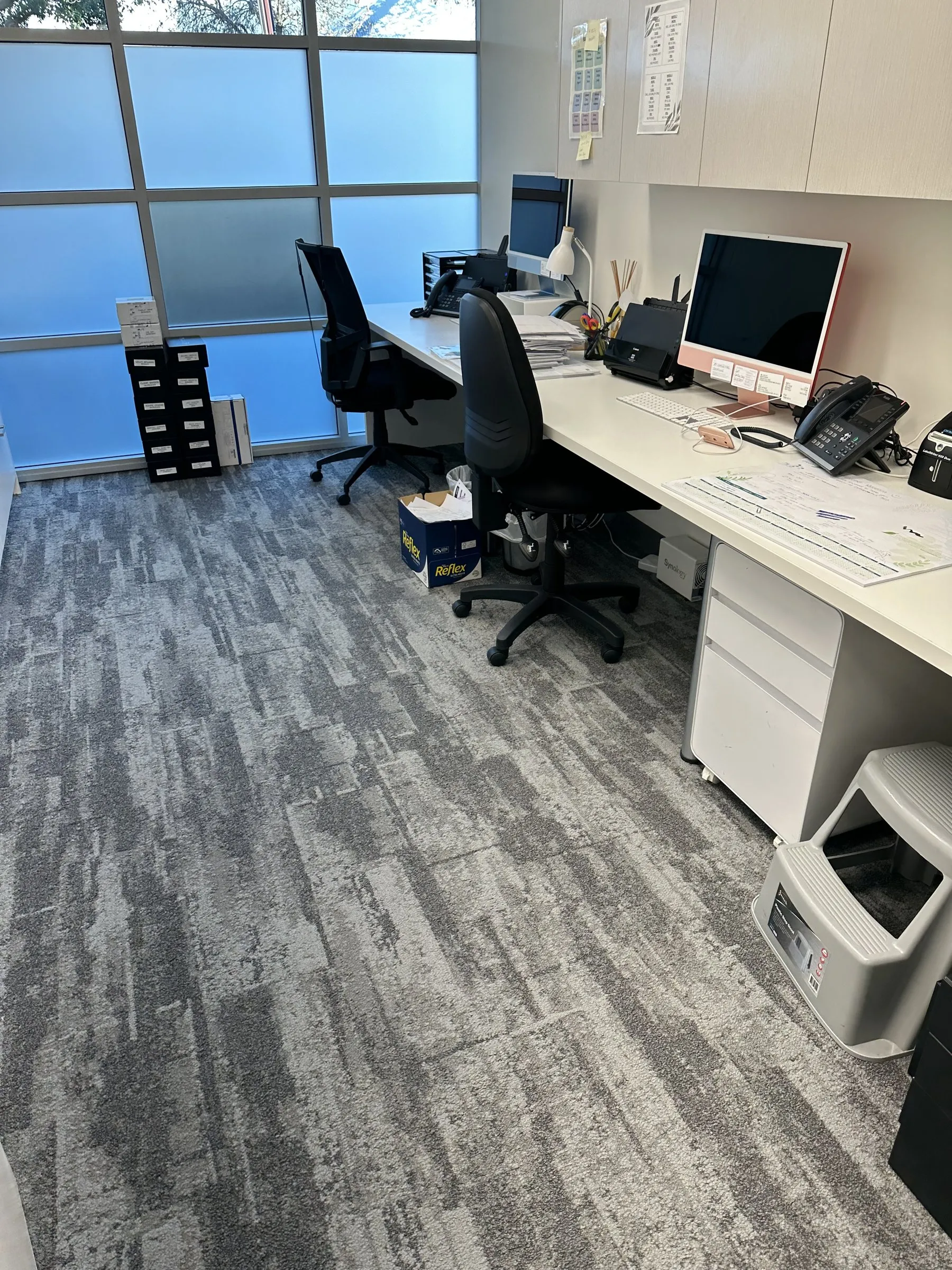
Clean office with carpet tiles and desks

Hidden spaces

Cavities and subfloors count.

A wall can read dry on its face and still be wet inside. Where water has got into a cavity, ceiling void or subfloor, air is directed into that space and readings are taken there too. Material that won't dry, or has started to grow mould, is listed for removal.

Every visit, on the record.

See a visit record
  • In and out

    Time-stamped on arrival and when the visit closes.

  • Ticked

    Each area marked done against the scope you signed off.

  • Photographed

    The areas that matter, finished. Faults flagged with a photo.

Questions

Structural drying: questions.

How long does structural drying take?

It depends on how much water there was, how long it sat and what it soaked into. Plasterboard and carpet dry faster than hardwood or a concrete slab. The scope gives an estimate, and the log shows progress at every visit, so you're not waiting on a guess.

Can we keep using the building while it dries?

Usually, yes. The equipment runs around the clock and it's noisy, so some rooms may need to stay closed. Cords and units are placed so walkways stay clear, and the scope says which areas are out of use.

What about water from fire sprinklers?

It's handled like any clean water event: extract, map, dry, read, then clean. Sprinkler water often runs through ceiling voids and down wall cavities, so those are mapped first.

Is it safe to run drying equipment near wet electrics?

Not until they've been checked. Wet power points, switchboards and ceiling lights are reported and left for an electrician to make safe. Equipment is only plugged into circuits that are safe to use.

When does the clean happen?

After every reading point is dry. Cleaning wet plasterboard or carpet only moves dirt around. Once it's dry, floors, walls and fittings are cleaned, and any musty odour is treated.

Wet walls or floors? We'll map it first.

We'll come out to scope it: where the water went, what it soaked into and where the reading points go. Then a written scope for the dry and the clean.

Add details (optional)
Best time for the walk-through

We reply the same business day. Your details are used to answer this enquiry and measure our ads, never sold. Privacy

CallBook a walk-through