
Mould removal, Adelaide Fix the moisture,or the mould comes back.

Mould on ceilings, in washrooms, cold rooms, storerooms and behind equipment. The moisture source is found first, the area is contained, and growth is cleaned off hard surfaces or the porous material it's in is removed.

4.9 from 59 Google reviewsWe reply the same business day

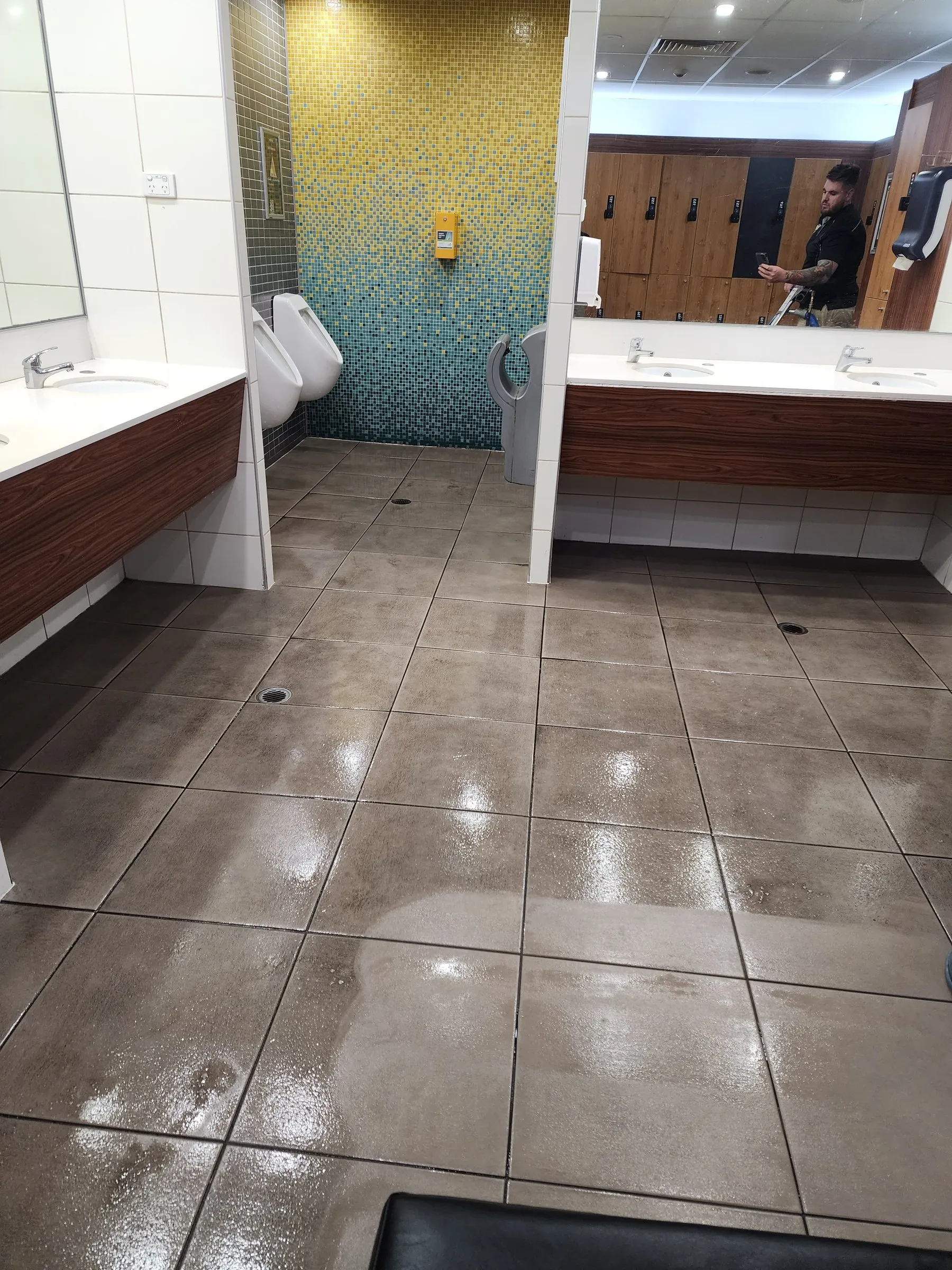
Clean washroom with a shining tiled floor and a vanity
Certified
IICRC Certified Firm
First
The moisture source, found and reported
Method
Contain, HEPA vacuum, clean or remove
Proof
Before and after photos by area

The scope

What a mould job includes. Source to clean.

The scope names each affected area, the material, whether it's cleaned or removed, and the moisture source that has to be fixed for the job to last.

Every mould job

  • Moisture source found and reported for repair
  • Area contained so spores don't travel
  • PPE matched to the size of the growth
  • Loose growth and dust taken up with HEPA vacuums
  • Hard surfaces cleaned and wiped down
  • Porous materials with deep growth listed for removal
  • Area dried and checked before it's handed back

To keep it away

  • Washroom grout and silicone checkMonthly
  • Cold room seals and shelvingQuarterly
  • Exhaust fans and vent grillesQuarterly
  • Past problem areas recheckedAs written in the scope

How we do it

Mould is a moisture problem. Cleaning is the second step.

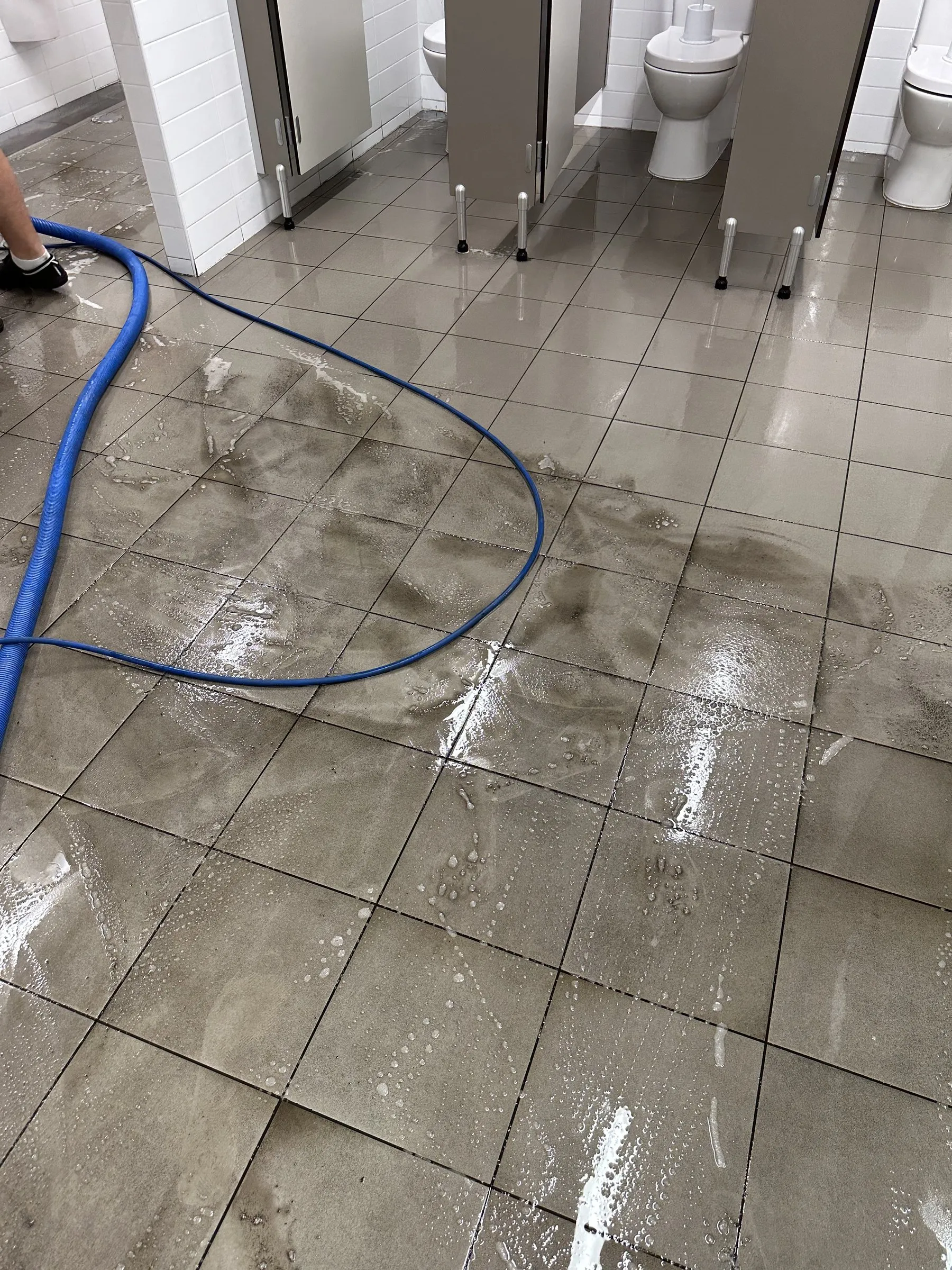
Washroom floor with a hose mid-clean, grimy grout

Source first

Find the water.

Mould grows where something stays damp: a roof leak, a shower without enough extraction, condensation in a cold room, a slow drip behind equipment. We find the likely source and report it with photos. If it isn't fixed, the clean won't last, and the record says so.
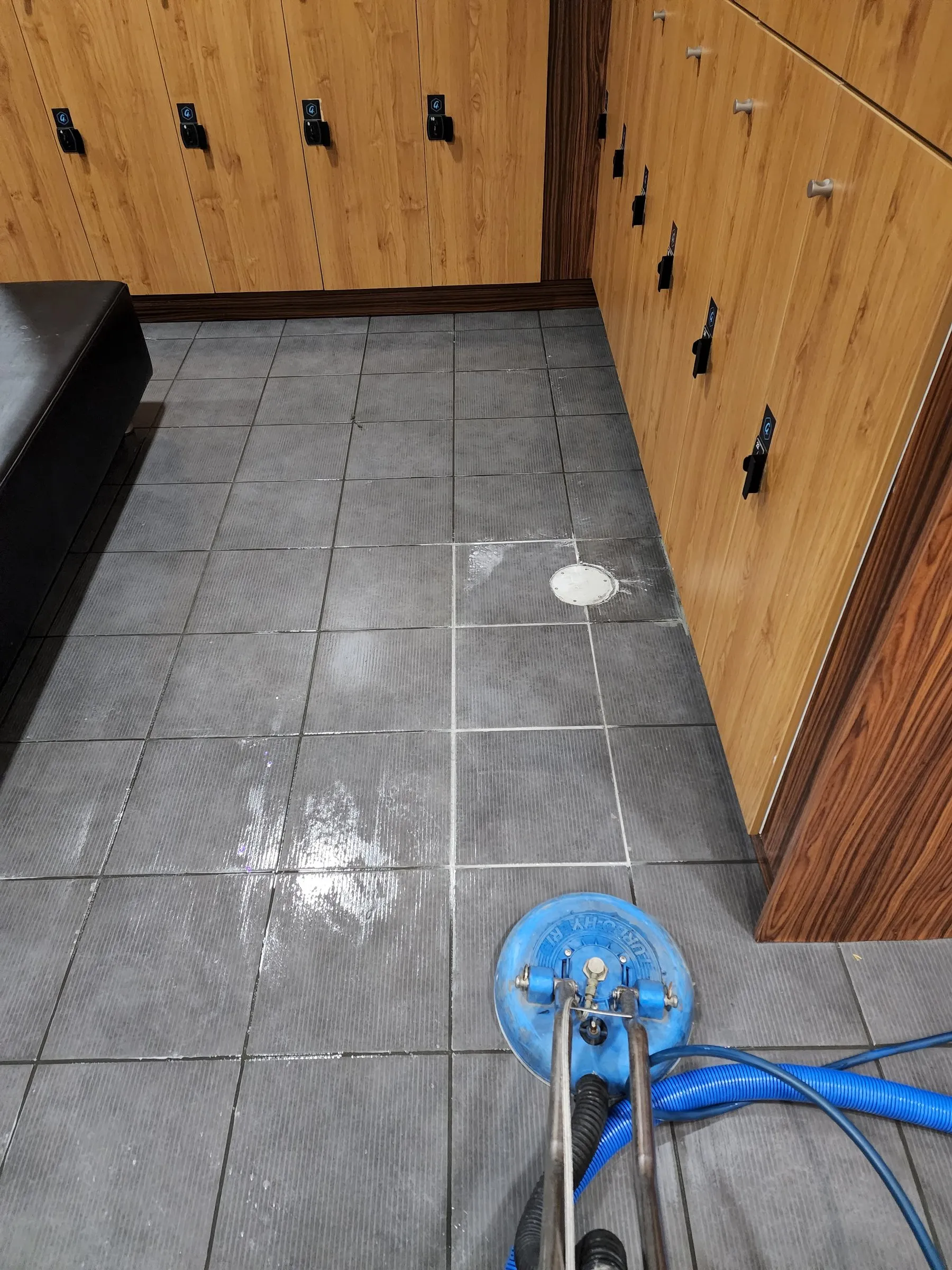
Change room tiles, wet, with lockers and a spinner wand

Hard or porous

Some materials can't be saved.

Tile, glass, metal and sealed surfaces can be cleaned. Plasterboard, ceiling tiles, carpet and other porous materials with growth right through them usually have to come out, because the growth goes below the surface. Bleach fades mould on porous material but doesn't remove it.

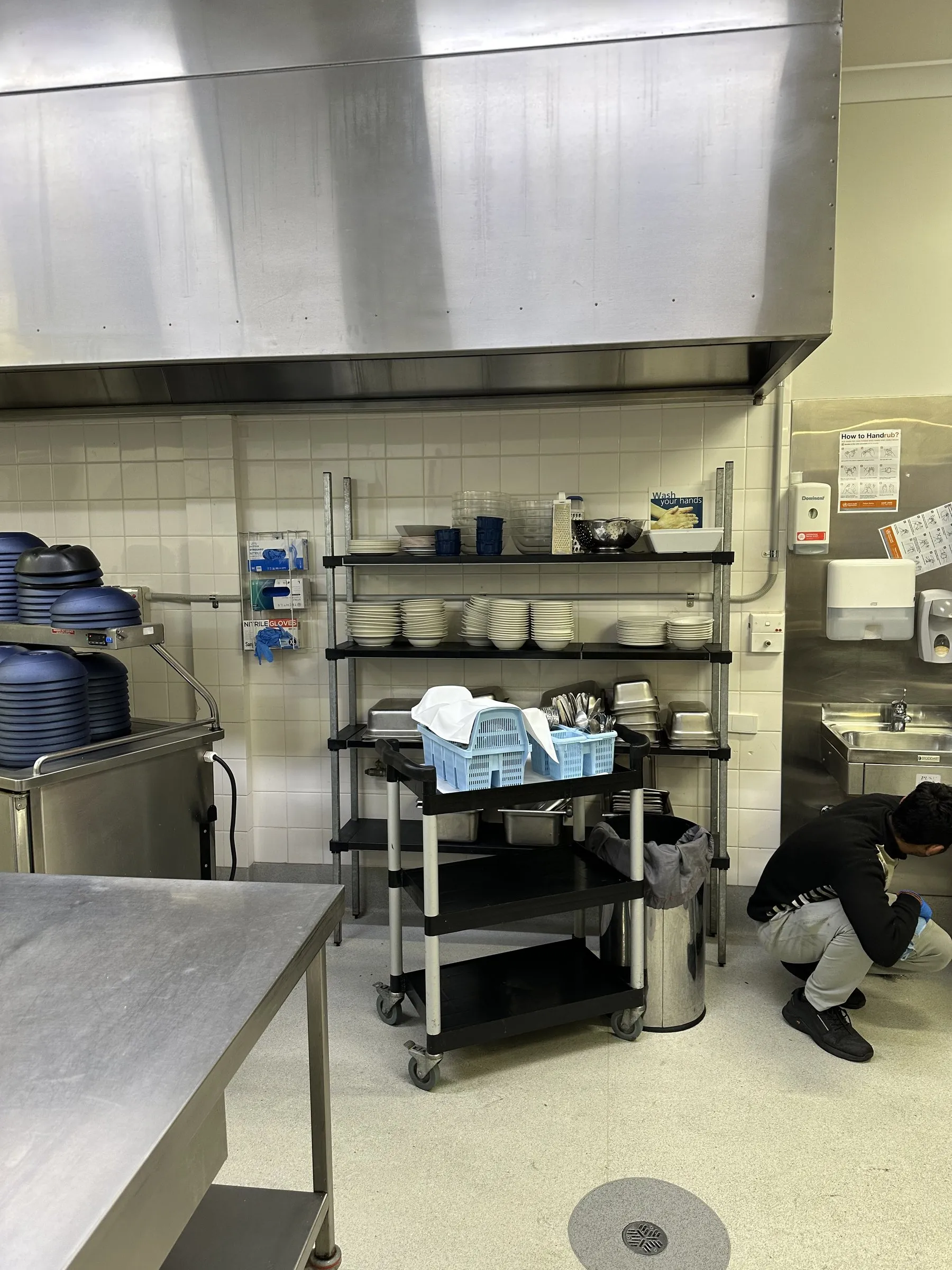
Commercial kitchen deep clean, one person cleaning low under a bench

Contained

Spores stay in the room.

Larger areas are sealed off with plastic sheeting before work starts, and air-conditioning returns in the area are closed off. Loose growth is taken up with HEPA vacuums, never brushed or blown. Waste is bagged inside the work area and sealed before it leaves.

Every visit, on the record.

See a visit record
  • In and out

    Time-stamped on arrival and when the visit closes.

  • Ticked

    Each area marked done against the scope you signed off.

  • Photographed

    The areas that matter, finished. Faults flagged with a photo.

Questions

Mould removal: questions.

Will the mould come back?

Only if the moisture does. That's why the source is found and reported first. If a roof leak, poor ventilation or condensation isn't fixed, mould will grow again, and the visit record notes the source so the repair can be followed up.

Do we need the mould tested?

Not usually for visible growth: if you can see it, it needs cleaning or removing. Where people have health complaints, or the extent is unclear, an independent occupational hygienist can test air and surfaces and set the clearance. We work to their report.

Can't you just spray it?

No. Spraying fades the colour but leaves the growth, and on porous materials it comes straight back. Mould is physically taken off hard surfaces, and porous material with growth through it is removed.

Can you clean mould in a cold room or kitchen?

Yes, with food-safe products and the room out of use. Cold rooms grow mould on door seals, shelving and ceiling panels where condensation sits. The clean is booked when stock can be moved, and split seals are reported for replacement.

Can people keep working nearby?

Small areas can usually be done with the room closed. Larger areas are sealed off with plastic and the air-conditioning to that space is closed off, so spores don't move through the building. The scope says what's out of use and for how long.

Found mould? We'll find the water too.

We'll come out to scope it: the growth, the material it's on and where the moisture is coming from. Then a written scope covering the source, the clean and the check.

Add details (optional)
Best time for the walk-through

We reply the same business day. Your details are used to answer this enquiry and measure our ads, never sold. Privacy

CallBook a walk-through